Carolina Bianchi Y Cara de Cavalo
CADELA FORÇA TRILOGY – Chapter II: The Brotherhood
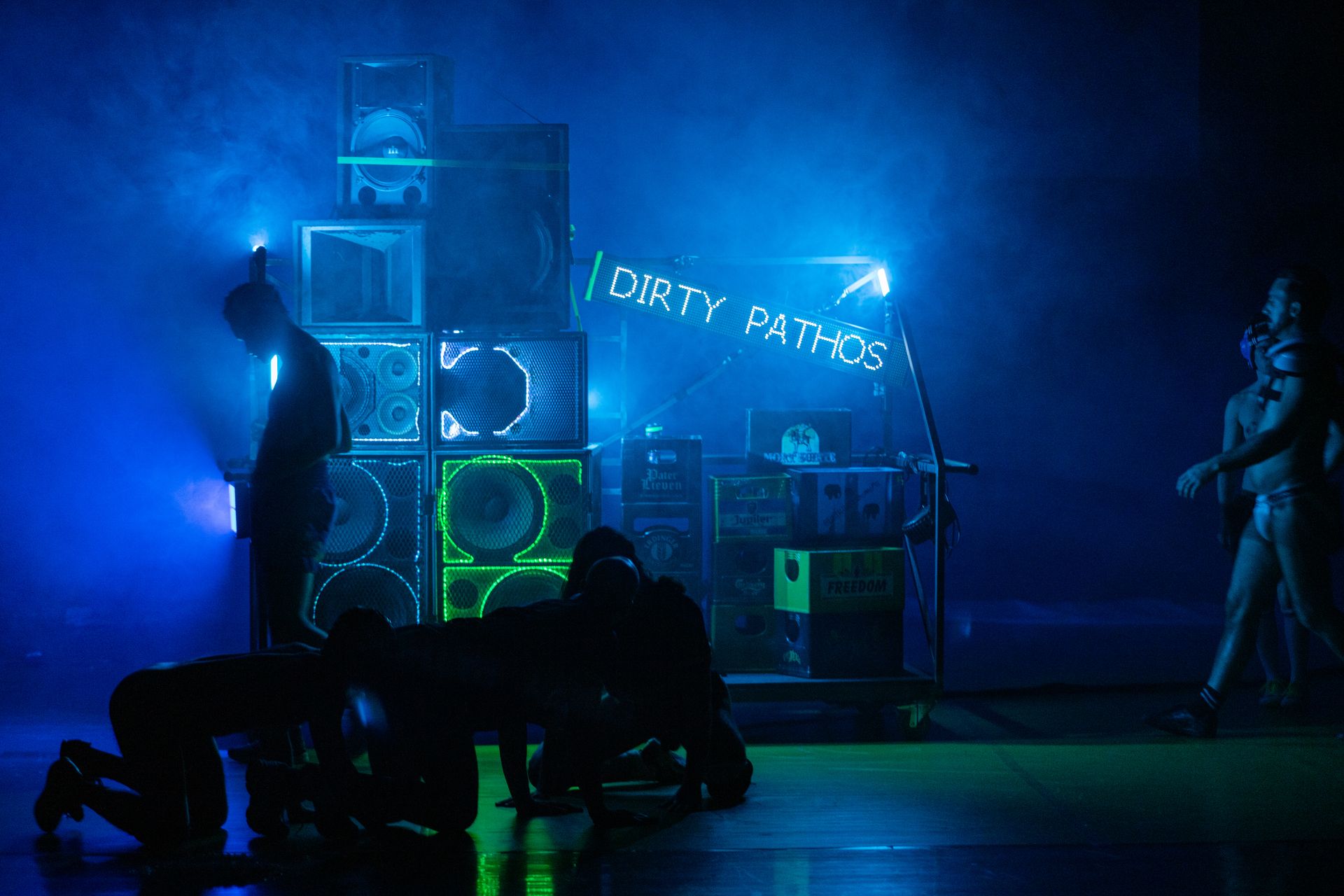
- 26.11 — 28.11 2026
- Performances
- portuguese premiere
- Culturgest - Auditório Rui Emílio Vilar
- 16€ (See discounts)
- ages 16+
- 3h40min with intermission
- In Portuguese with surtitles in English and Portuguese








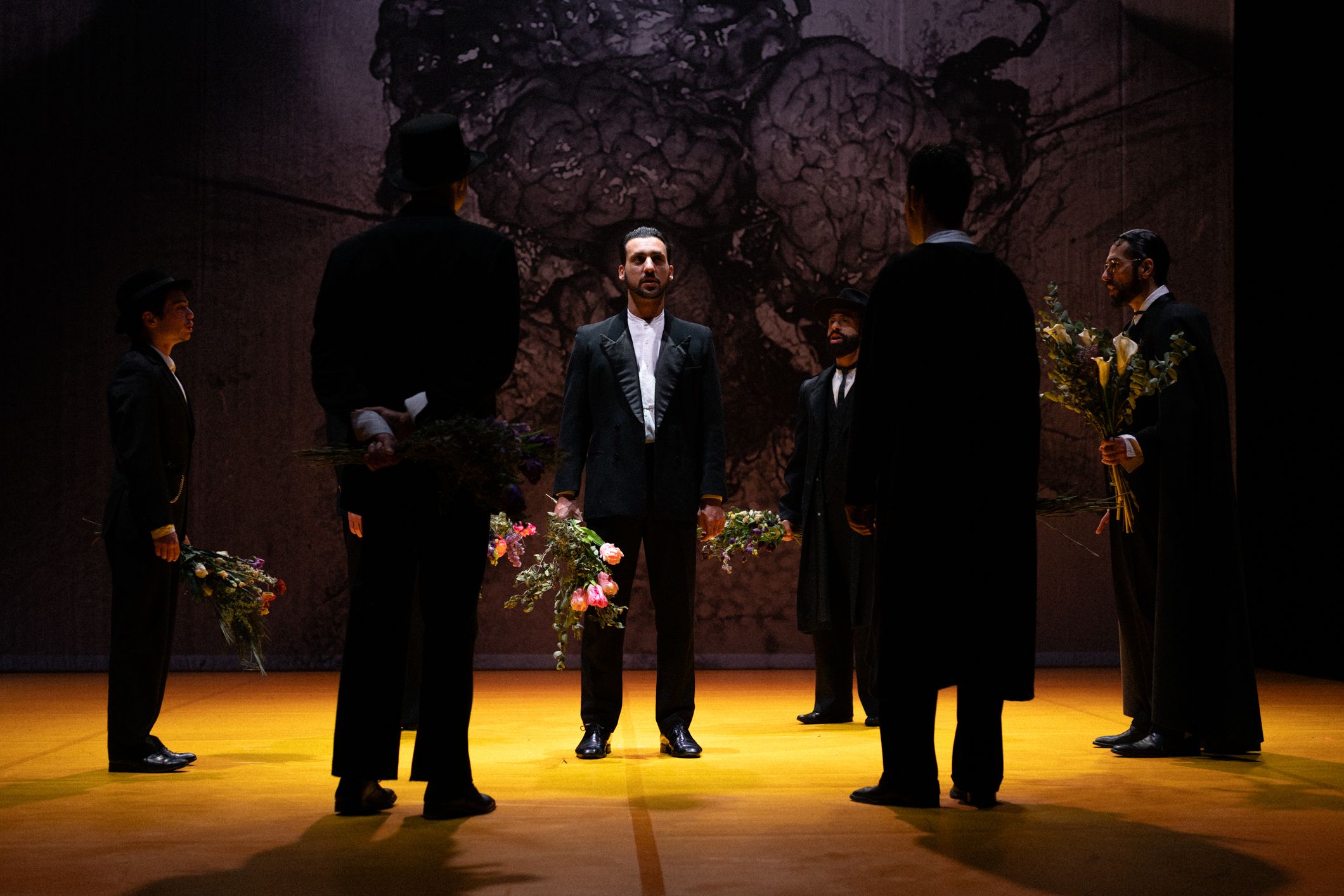
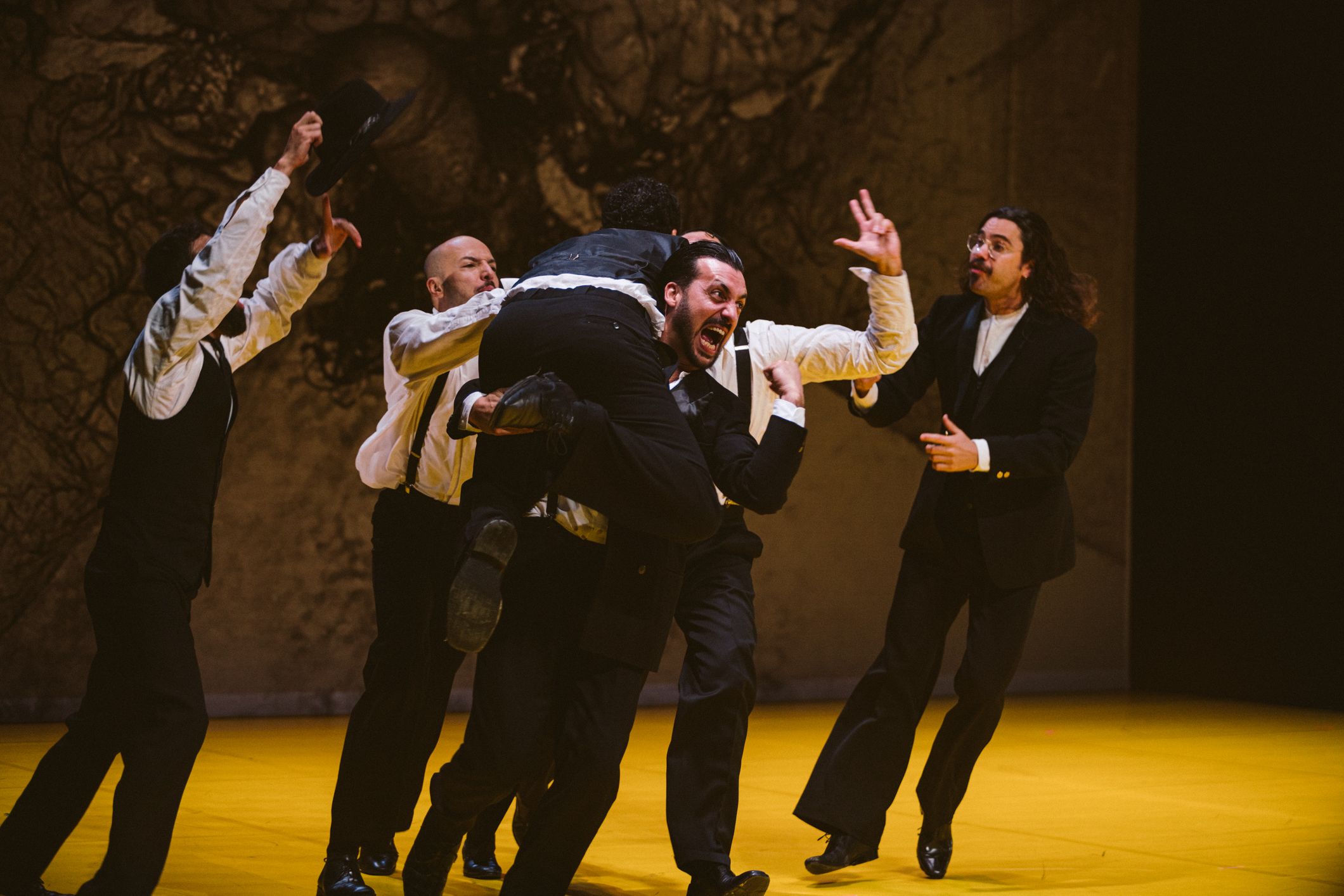
A look at male brotherhood as a pact of fascination, power, and violence.
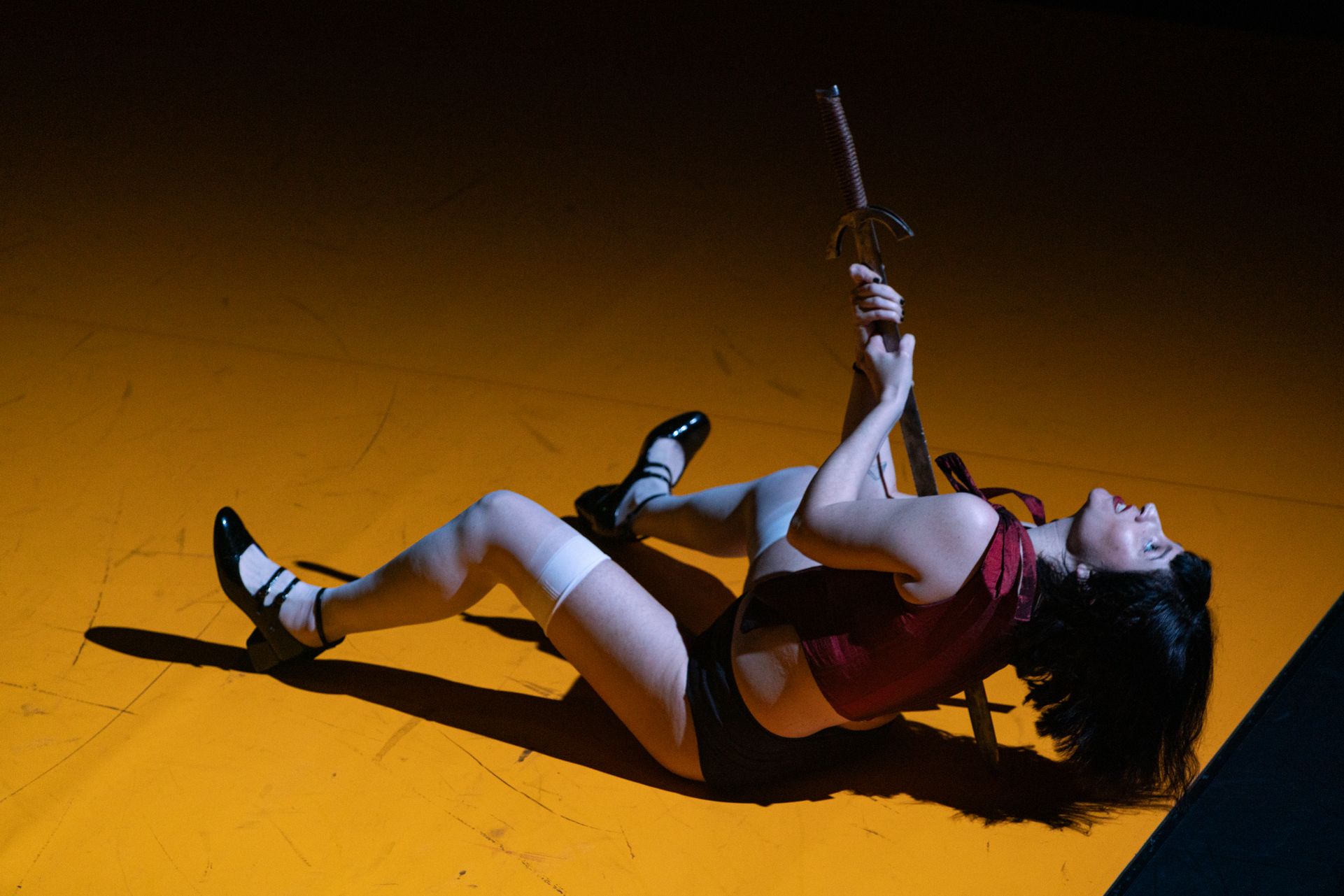
The second chapter of the Cadela Força trilogy delves into the complexity of masculine pacts, the possible origins of brotherhood, and its codes—many of which are inscribed in violence and perpetuate rape and sexual violence as part of their vocabulary.
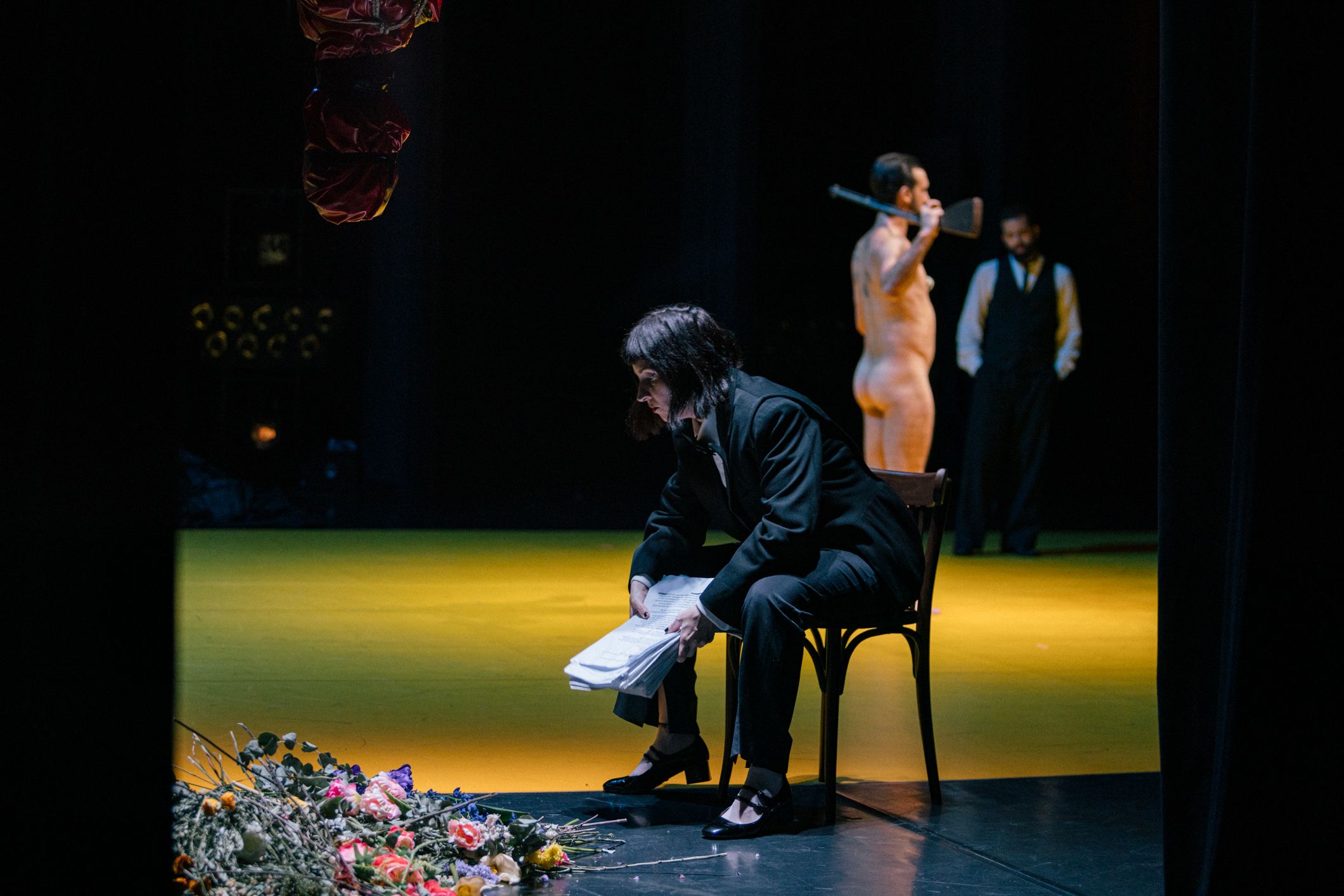
The work does not simplify its subject: the performance acknowledges the admiration that this brotherhood can evoke when linked to art history. Bianchi uses theatre to articulate reflections on representation and real trauma, structures of power in art and radical poetry, while also investigating the origins of misogyny and a sexuality in crisis.
Ultimately, the structure of the performance reveals itself as a trap, and we see Bianchi's figure as vulnerable and ghostly, as a consequence of observing the Brotherhood from such close proximity.
Note it down
On 24 November, Carolina Bianchi and Gabriela Moita will take part in the lecture Violence and potency, in the feminine taking place at the Small Auditorium at Culturgest.
Contains explicit sexual content, alcohol abuse, references to suicide and sexual violence.
Accessibility
In Portuguese, surtitled in Portuguese and English.
The venue is accesible for people with reduced mobility.
Credits
Concept, text, direction and set Carolina Bianchi With Chico Lima, Flow Kountouriotis, José Artur, Kai Wido Meyer, Lucas Delfino, Rafael Limongelli, Rodrigo Andreolli, Tomás Decina and Carolina Bianchi Translation for subtitles Marina Matheus (English) Dramaturg and research partner Carolina Mendonça Assistant director Murillo Basso Technical director, original music, sound design Miguel Caldas Scenography and graphic design Luisa Callegari Lighting design Jo Rios Video and screening Montserrat Fonseca Llach Costumes Luisa Callegari, Carolina Bianchi Prologue choreography and movement advisor Jimena Pérez Salerno Live camera and artistic support Larissa Ballarotti Photos Mayra Azzi Stage manager, production assistant AnaCris Medina Production direction, tour manager, and communication Carla Estefan International relations, production, and touring Metro Gestão Cultural (BR) Produced by Metro Gestão Cultural (BR), Carolina Bianchi Y Cara de Cavalo Coproduced by KVS Koninklijke Vlaamse Schouwburg- Brussels, Theater Utrecht, La Villette –Paris, Festival d’Automne à Paris, Comédie de Genève, Internationales Sommer Festival Kampnagel, Les Célestins –Théâtre de Lyon, Kunstenfestivaldesarts, Wiener Festwochen, Holland Festival, Frascati Producties HAU Hebbel am Ufer -Berlin, and Maillon, Théâtre de Strasbourg - Scène européenne Residency and set construction KVS Brussels Residencies La Villette-Paris, Frascati Amsterdam, Utrecht Theater -De Paardenkathedraal, Kampnagel-Hamburg Supported by Tax shelter van de Belgische Federale Overheid, The Ammodo Foundation-NL
Premiere: 9 May 2025 at KVS-Brussels, in the context of Kunstefestivaldesarts
Co-presentation in Portugal with Teatro Municipal do Porto
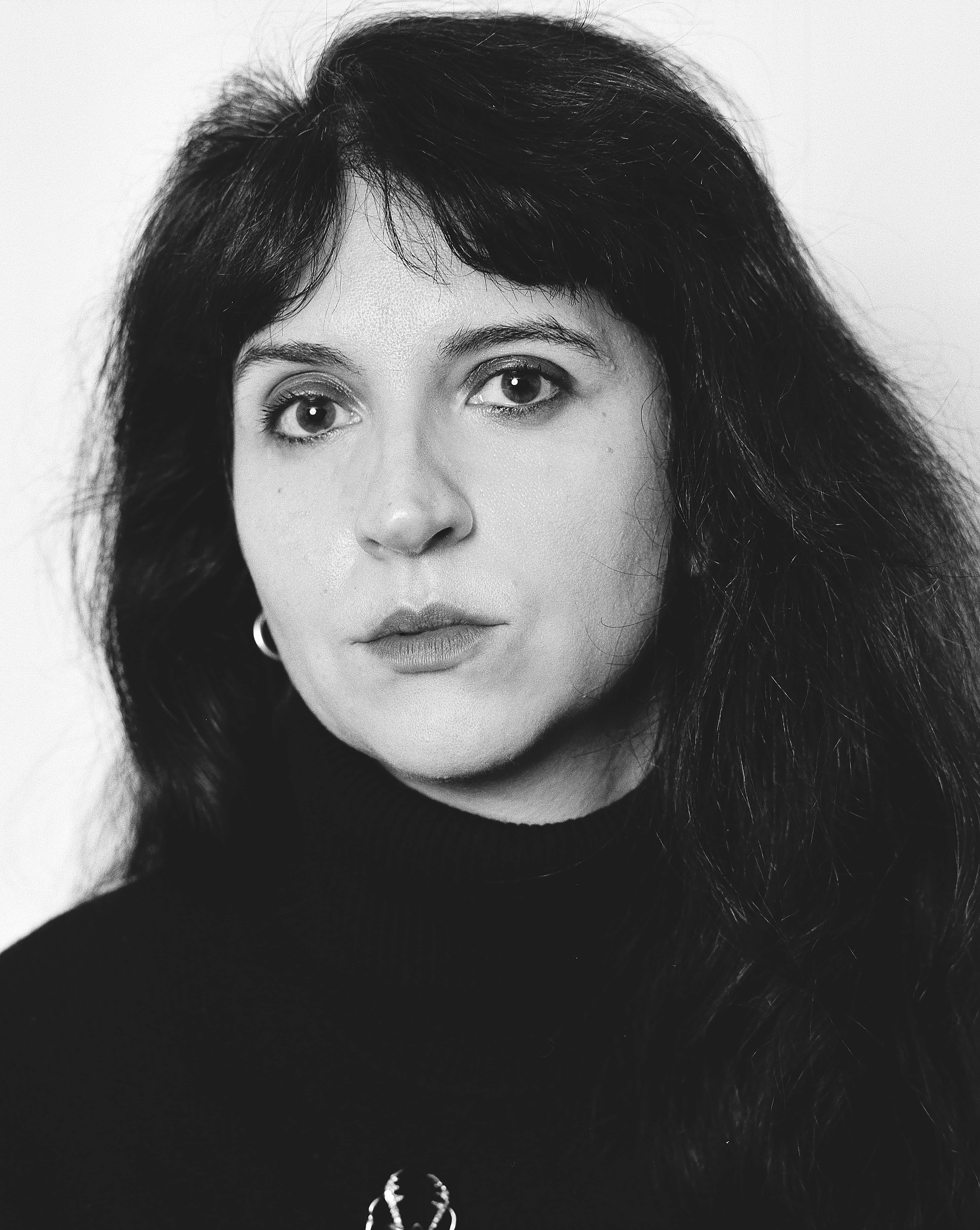
Carolina Bianchi is a writer, theatre director, and performer born in Porto Alegre-Brazil, and based in Europe since 2020. Her work emerges from a perspective of crisis, creating bold confabulations about sexual violence and the history of art. Her staging blends diverse references from literature and painting, centering on violence through text and bodies that incarnates a sensual approximation with History through performative gestures. She is the director of the São Paulo-based collective CARA DE CAVALO, with whom has most recently created: Trilogia Cadela Força,...
Related articles:
- 24.11.2026
- Talks
Carolina Bianchi & Gabriela Moita
Violence and potency, in the feminine
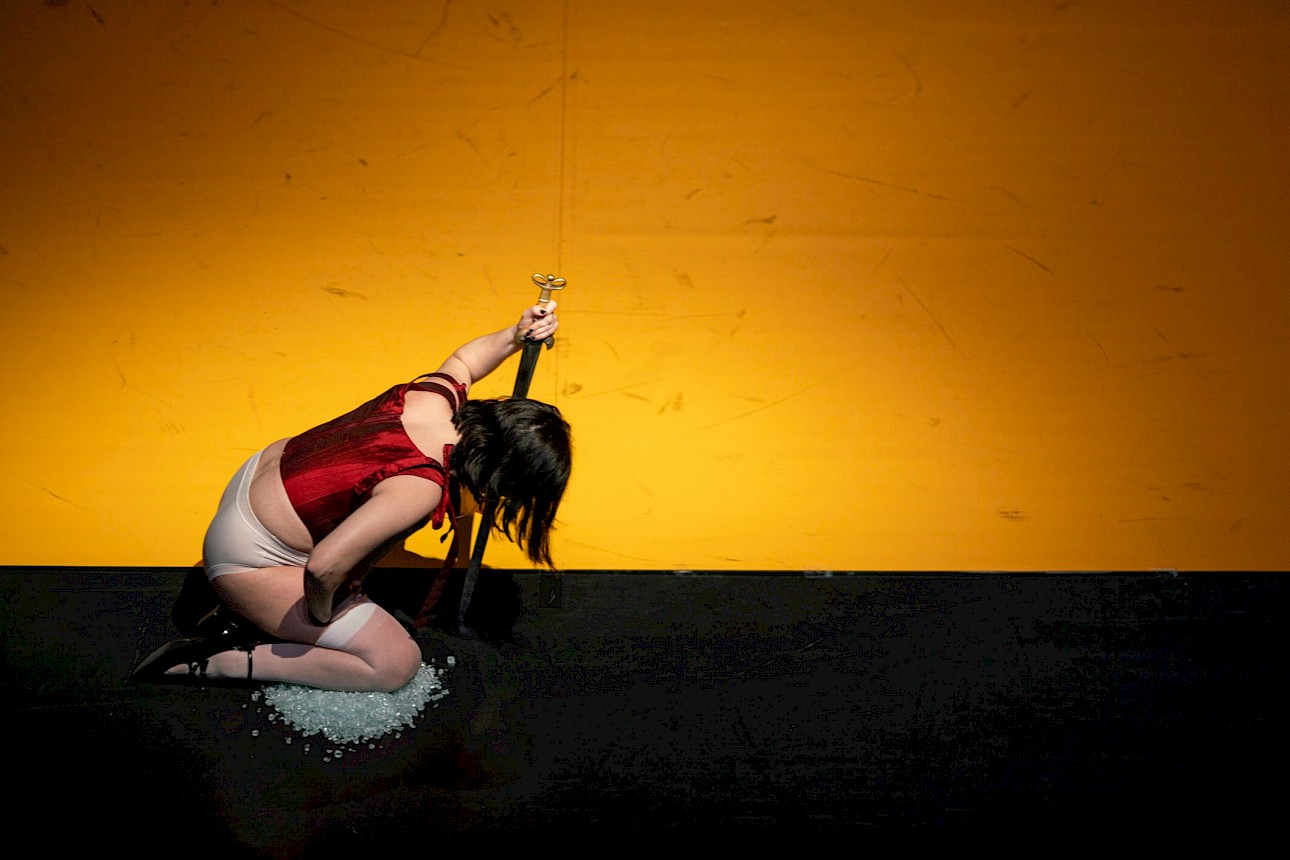
- TUE 24.11.2026 7:00 PM
- Talks