Ali Chahrour
When I Saw The Sea
- 27.11 — 28.11 2026
- Performances
- TNDMII - Sala Garret
- 18€ (See discounts)
- ages 16+
- 1h15min
- In Arabic and Amharic with descriptive surtitles in English and Portuguese






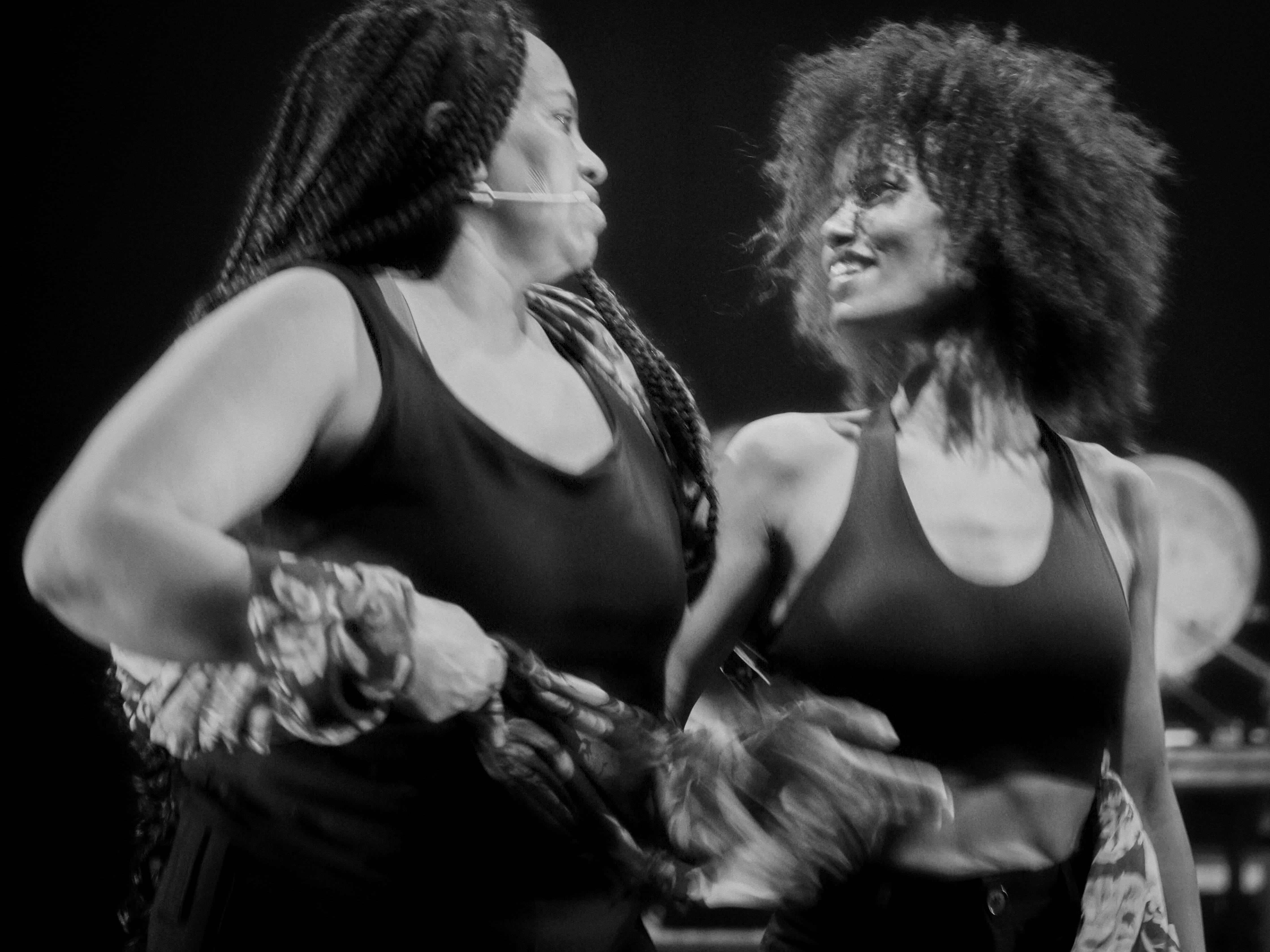
Through song, dance, and words, three women share their stories of migration and work in Lebanon, in a gesture of openness, listening, and dignity.
In this new creation, Ali Chahrour turns his attention to the lives of migrant domestic workers in Lebanon – long subjected to a repressive labour system, now made even more vulnerable by the ongoing war.
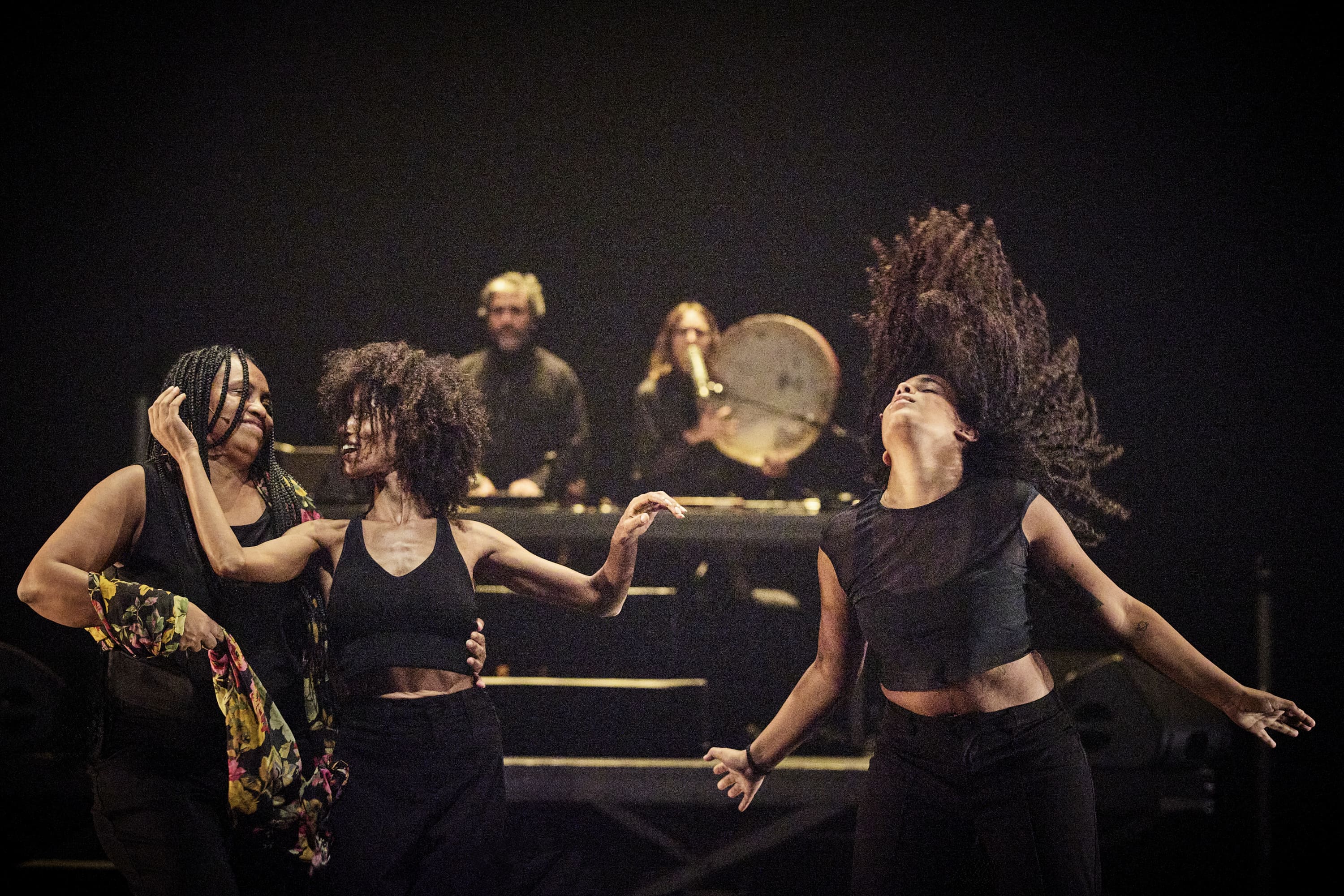
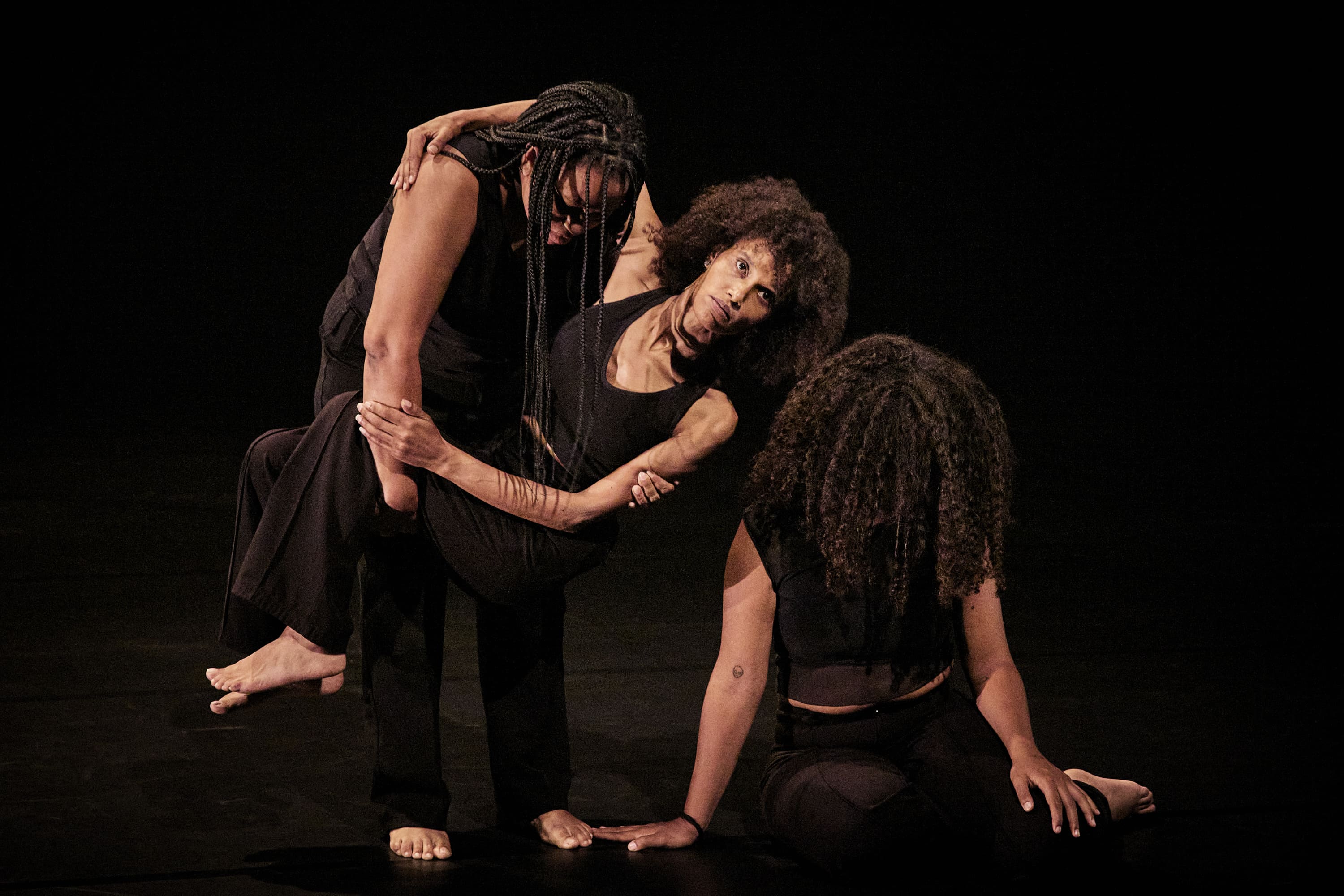
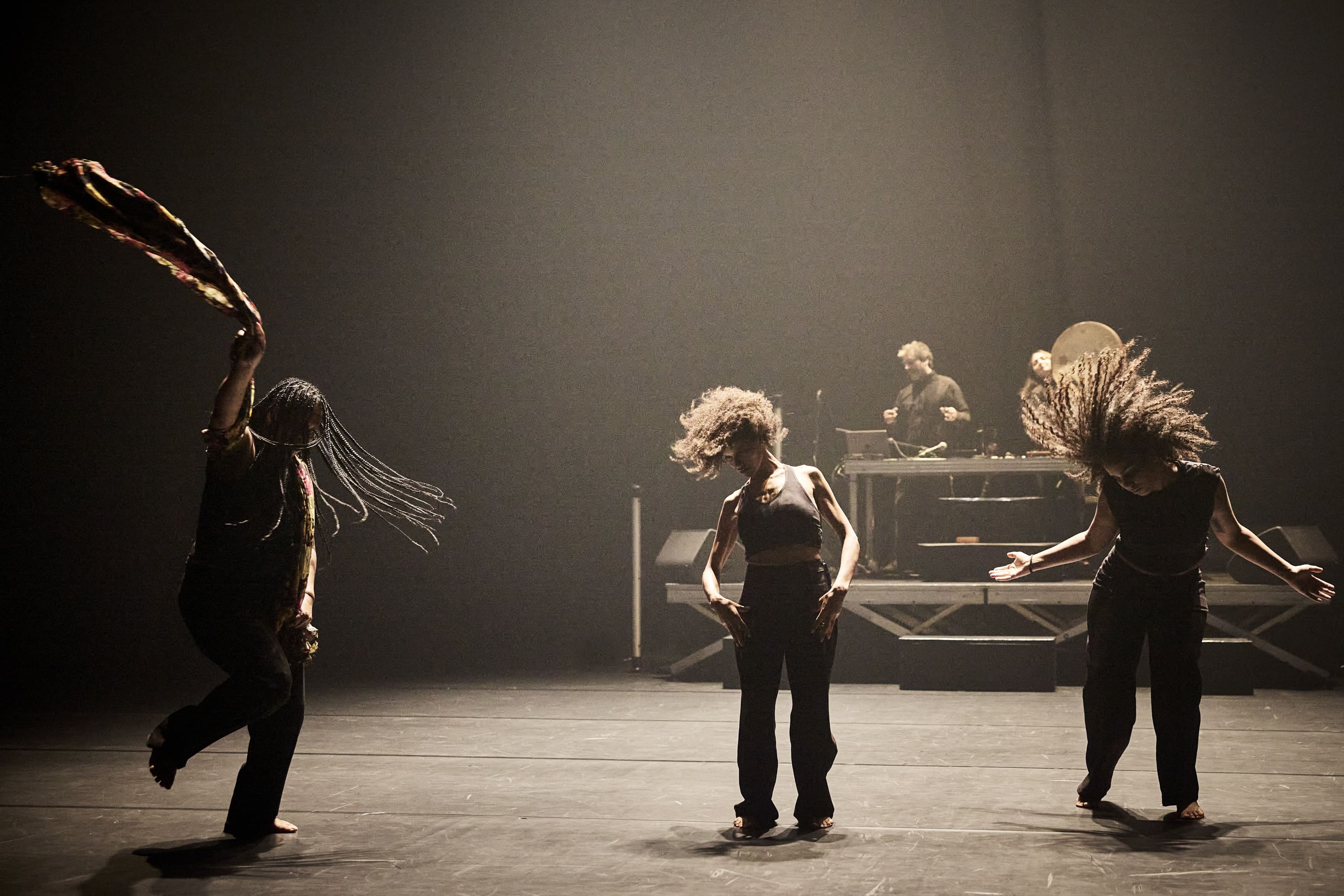
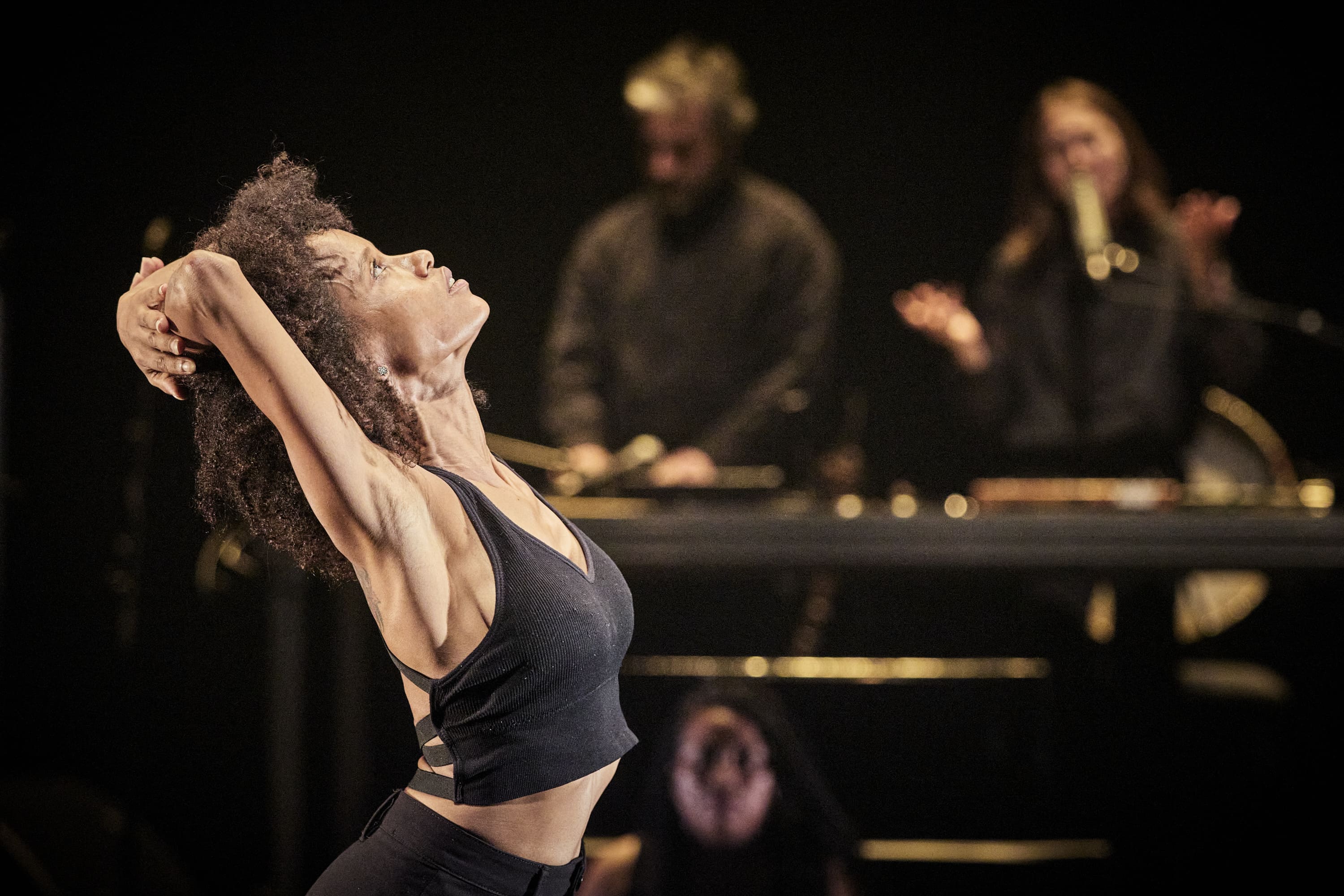
On stage, Zena Moussa, Tenei Ahmad, and Rania Jamal share stories shaped by resistance, exploitation, and survival. They are the performers and storytellers of their lived experiences. Using dance, music and words, they map out their life journeys on an almost bare stage as the light shifts around them, creating spaces of brightness and shadow. Abed Kobeissy and Lynn Adib provide the live music: a fractured lullaby that echoes a country in crisis and the distant pull of the sea.
As in Told by My Mother, presented at the Alkantara Festival and Teatro Nacional D. Maria II in 2021, When I Saw the Sea explores love and loss, motherhood and exile, memory and war – offering a clear and moving reflection on what endures in extreme circumstances.
Note it down
Post-show talk with Ali Chahrour and Shahd Wadi (in English) on 28 November, in Salão Nobre.
Accessibility
In Arabic and Amharic with descriptive surtitles in English and Portuguese.
Session with audio description on 28 November.
The venue is accesible for people with reduced mobility.
Teaser
Credits
Direction and Choreography Ali Chahrour Performers Zena Moussa, Tenei Ahmad, Rania Jamal Music composed and performed by Lynn Adib, Abed Kobeissy Assistant to the director and choreographer Chadi Aoun Light design and technical director Guillaume Tesson Assistant to the technical director Pol Seif Sound designer Benoît Rave Scenography Guillaume Tesson, Ali Chahrour Communication manager Chadi Aoun Text editing Hala Omran Produced by Ali Chahrour Production managers Christel Salem, Chadi Aoun Co-produced by Festival d’Avignon, Ibsen Scope, HAU Hebbel am Ufer Berlin, Arab Fund for Arts and Culture (AFAC), Al Mawred al Thaqafi, DeSingel Antwerp, Domino Zagreb / Perforations Festival, Holland Festival, Zürcher Theater Spektakel, Al Madina Theater With the support of Beryte Theater, L’Institut Français de Beyrouth, Wicked Solutions, WASL Productions, Beit el Laffé, Orient 499, Raseef, Beirut Houna center Special thanks Viany Ngemakoue, Sophie Ndongo, Jouma Fayé, Mariam Sesay, Sarie Teshome, Aisha Temam, Raheel Teshome, Mihret Birhane, Laurentine Mbekati, Mohana Ishak, Hussein Hajj, Anthony Sahyoun, Ali Khedr, Eric Deniaud, Chrystèle Khodr, Raymond Zakaria, Hind Hamdan, Kafa Megaphone, Seenaryo, Daraj Media, Hammana Artist House, Zoukak Theatre
Co-presentation in Portugal with Teatro Municipal do Porto
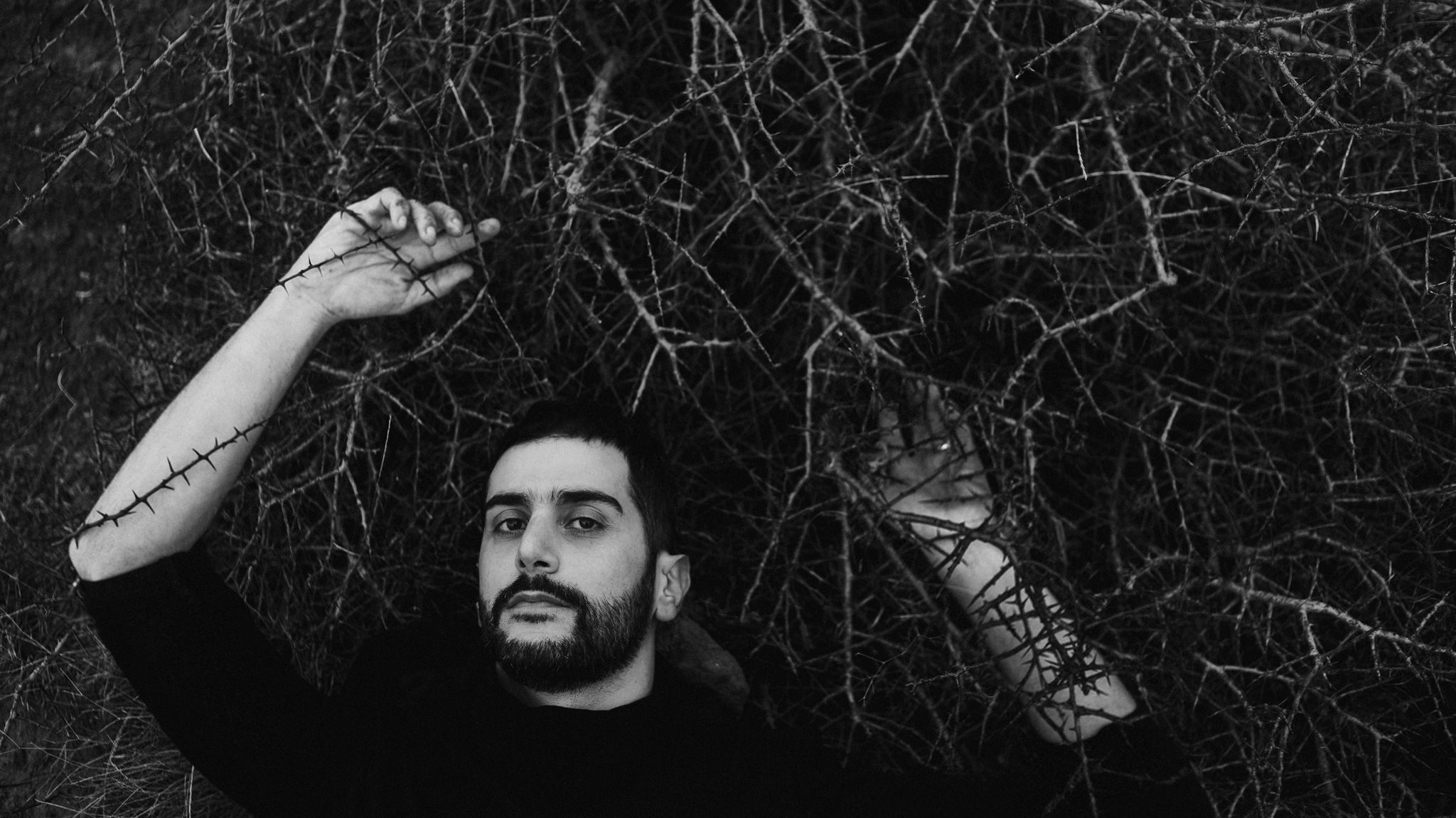
Born in Beirut, the choreographer and dancer Ali Chahrour creates a movement language freed from Western codes and models, reflecting his culture and the political, social, and religious context in which he lives. In an earlier series of works—his trilogy on death, Fatmeh (2014), Leila’s Death (2015), and May He Rise and Smell the Fragrance (2017)—he drew on funeral rituals, blending tradition with a striking sense of modernity. He later began a second series dedicated to love, including Night (2019), Told by My Mother (2021), The Love Behind My Eyes (winner of...